Are you tired of constant shaving and dealing with sticky messes? You are probably wondering: is epilator better than waxing for your routine? Achieving smooth skin shouldn’t be a daily battle. Root-hair removal is the ultimate solution for long-lasting hair removal. But choosing the right tool makes all the difference.
In this comprehensive guide, we will compare pain levels, costs, and results for different skin types. We will explore everything from epilator vs waxing pain to the best methods for sensitive areas. By the end, you will know exactly which method fits your lifestyle.
Table of Contents
Basics of Root Hair Removal
Before diving into our face-off, it is crucial to understand how root hair removal works. Both methods pull hair directly from the follicle. This process delays regrowth significantly compared to surface-level shaving. However, the mechanics of each method are entirely different.
Knowing these differences will help you decide between an at-home waxing vs epilator routine. Each technique requires specific preparation, technique, and aftercare. Let us break down the core technology behind each approach.
What is an Epilator and How Does it Work?
An epilator is an electronic device equipped with tiny, rotating tweezers. As you glide the device over your skin, these tweezers rapidly grasp and pull multiple hairs out from the root simultaneously. It is a highly efficient, mechanical process.
Modern epilators come in various designs to suit different needs. You can choose between corded models for continuous power or cordless versions for travel. Additionally, many premium cordless models are wet/dry compatible, allowing you to epilate comfortably in the shower.
Using an epilator in warm water can help open pores, making the hair removal process slightly more comfortable. This versatility makes the epilator a strong contender for those seeking an easy, mess-free solution at home.
What is Waxing? (Soft vs. Hard Wax)
Waxing involves applying a sticky substance directly to the skin and hair. The wax adheres tightly to the hair shafts. When pulled away rapidly, it extracts the hair straight from the follicle. It also removes the top layer of dead skin cells.
There are two main types of wax used in salons and homes. Soft wax requires a cloth or paper strip to be pressed over the applied wax before pulling. It is excellent for larger areas like legs and arms.
Hard wax, on the other hand, is applied thickly and allowed to cool and harden. It is then peeled off directly without strips. Hard wax only grips the hair, not the skin, making it ideal for sensitive areas like the bikini line and face.
Is Epilator Better Than Waxing? The Ultimate Face-Off
Now comes the main event. Deciding whether an is epilator better than waxing depends on several crucial factors. We need to evaluate pain, hair length requirements, long-term costs, and skin health. Let us compare them head-to-head.
Pain and Comfort Level: Which Hurts More?
When discussing epilator vs waxing pain, the sensation is quite different. Waxing delivers a fast, sharp “Band-Aid” pull. The pain is intense but over in a split second, making it bearable for many people.
An epilator provides a continuous pinching sensation. Because it pulls hairs out in smaller batches as you move it, the discomfort lasts longer during the session. It can feel quite shocking during the first few uses.
However, there is a silver lining. Epilator pain decreases significantly with consistent use. As hair grows back finer and sparser, the tweezing action becomes much less noticeable over time.
Hair Length Requirements and Regrowth
One of the most frustrating aspects of waxing is the required hair length. For wax to grip effectively, you need about ¼ inch of hair growth. This means enduring an awkward, prickly stubble phase for a week or two between sessions.
Epilators completely eliminate this waiting game. High-quality epilators can catch hairs as short as a grain of sand (0.5mm). This allows for much more frequent touch-ups, ensuring your skin stays consistently smooth without the awkward growth period.
For people who despise the feeling of stubble, the epilator is the clear winner here. It provides the ultimate flexibility for maintaining your grooming routine on your own schedule.
Cost-Effectiveness Over Time
Cost is a major factor when building a grooming routine. A high-quality epilator requires a significant one-time investment. You might spend anywhere from $50 to $150 upfront for a reliable, top-tier model.
However, that single purchase can last for years with proper maintenance. In contrast, salon waxing appointments can cost between $40 and $100 per session. Even an at-home waxing vs epilator comparison shows that purchasing wax, strips, and spatulas regularly adds up fast.
If you are looking for long-term budget efficiency, the epilator is hands-down the most cost-effective solution. It pays for itself within just a few months of use.
Impact on Skin Health and Exfoliation
Skin health is another critical consideration. Waxing provides excellent physical exfoliation by stripping away dead skin cells along with the hair. This leaves the skin feeling incredibly soft and bright immediately after a session.
Unfortunately, wax can sometimes tear fragile skin or cause irritation, especially if you use retinoids. Epilators are much gentler on the actual skin surface, as they only target the hair itself. They are far less likely to cause skin lifting.
The downside of epilators is that they do not exfoliate. You must commit to a strict manual exfoliation routine using scrubs or gloves. Without proper exfoliation, epilators can lead to trapped hairs and painful ingrowns.
Which Method is Best for Specific Body Areas?
Your body has different types of skin and hair, meaning one method might not fit all. Let’s break down the most common treatment areas to see which tool performs best.
Legs and Arms
For large, flat areas like legs and arms, the epilator is the undisputed champion. It offers incredible speed and allows for quick touch-ups before heading out. You can easily maintain long-lasting hair removal while watching television.
Waxing these areas takes longer and can be messy to do at home. The epilator’s convenience and ability to grab tiny hairs make it the perfect match for limb maintenance.
Underarms
The underarm area is a tie. Waxing is much faster for this contoured, sensitive region. A quick application of hard wax can clear the area in seconds with minimal lingering pain.
However, epilators are fantastic for avoiding sticky wax messes in the armpit. If you have a wet/dry epilator, doing a quick underarm pass in the shower becomes a seamless part of your hygiene routine.
Bikini Line and Brazilian
When it comes to the epilator vs waxing bikini area debate, waxing takes the crown. The skin here is highly sensitive, and the hair is coarse. The continuous plucking of an epilator can be agonizing in this zone.
Hard wax is ideal for the bikini line because it shrinks around the hair and protects the delicate skin. It offers precision and a fast, sharp pull that minimizes sustained trauma to the area.
Facial Hair
Facial skin requires extreme care. For the upper lip, chin, or peach fuzz, specialized facial epilator wands are excellent. They are precise and prevent the risk of skin tearing that wax can cause.
We strongly warn against using large body epilators on your face, as they can cause bruising. Alternatively, gentle hard wax designed specifically for the face is also a great, quick option for larger patches of peach fuzz.
Pre-Care and Aftercare for Smooth, Bump-Free Skin
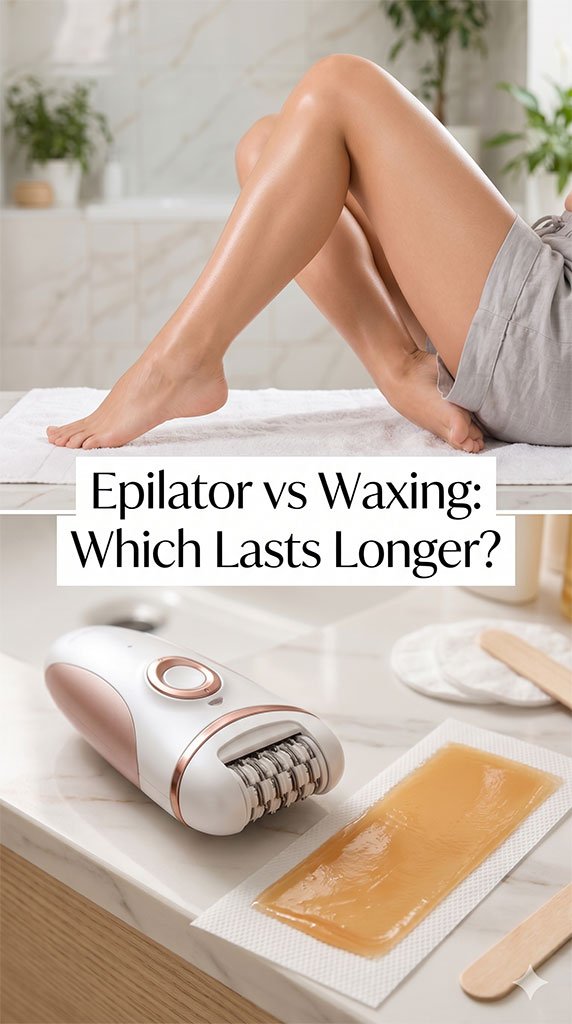
No matter which method you choose, proper skin preparation and aftercare are non-negotiable. The most common side effect of root hair removal is the dreaded ingrown hair. Preventing them requires consistency and the right routine.
Essential Pre-Care Steps:
- Exfoliate Thoroughly: Scrub the treatment area 24 hours before your session. This removes dead skin cells that might block the hair follicle.
- Cleanse the Skin: Take a warm shower right before to open your pores. Ensure your skin is completely free of lotions and oils.
- Dry Completely: If using an epilator, make sure your skin is bone-dry unless you are using a wet-compatible device.
Crucial Aftercare Routine:
- Avoid Heat: Skip hot baths, saunas, and intense workouts for at least 48 hours to prevent sweat-induced irritation.
- Soothe the Area: Apply pure aloe vera gel or diluted tea tree oil immediately to calm redness and inflammation.
- Moisturize Daily: Keep the skin hydrated with a lightweight, fragrance-free lotion to encourage healthy hair regrowth.
- Resume Exfoliation: Wait 48 hours, then begin exfoliating 2-3 times a week to keep the follicles clear of dead skin.
The Final Verdict: Epilator vs Waxing Summary
To help you make your final decision, we have summarized the key points of our comparison. Review this quick reference table to see how each method stacks up against your personal priorities.
Feature | Epilator | Waxing |
Pain Level | Continuous pinching, lessens over time | Sharp, fast pull, intense but brief |
Required Hair Length | 0.5mm (grain of sand) | 0.25 inch (visible stubble) |
Cost Over Time | Very Low (one-time purchase) | High (recurring salon or kit costs) |
Skin Exfoliation | None (requires manual scrubbing) | High (removes dead skin cells) |
Best For | Legs, arms, quick daily touch-ups | Bikini line, underarms, sensitive skin |
Mess Factor | Zero mess | Sticky, requires cleanup |
FAQs
Yes, absolutely. Both methods pull hair from the root, which damages the follicle over time. With consistent use, you will notice your hair growing back finer, softer, and much sparser, leading to longer periods of smooth skin.
While you technically can, it is highly discouraged for beginners due to the extreme pain. If you attempt it, pull the skin completely taut and use a specialized sensitive area cap. For the bikini zone, waxing remains the safer, more comfortable choice.
Waxing naturally removes the top layer of dead skin, freeing trapped hairs. Epilators only pull the hair, leaving dead skin intact. If you do not manually exfoliate 2-3 times a week, that dead skin will block the follicle, causing ingrowns.
Conclusion
Ultimately, deciding if an is epilator better than waxing comes down to your personal lifestyle, budget, and pain tolerance. If you prefer a one-time investment and hate waiting for awkward stubble to grow out, the epilator is hands-down the better choice.
An epilator offers incredible long-term financial value. It keeps you consistently smooth and allows for convenient touch-ups while watching TV. However, if you have highly sensitive skin or want a flawless finish for your bikini line, waxing remains the gold standard.
The bottom line is that you don’t have to commit to just one. Many people find incredible success by combining both techniques. You can visit a salon for a professional bikini wax while keeping an epilator in your drawer for weekly leg maintenance.
Choose the hair removal tool that fits your routine best. Stick to a very strict exfoliating schedule, and hydrate your skin daily. By following these steps, you will easily enjoy the freedom of beautiful, long-lasting hair removal!