The endless debate over grooming routines often leads to one pressing question: is it better to epilate or shave legs? Achieving perfectly smooth skin shouldn’t be a guessing game. Both methods offer unique advantages, but choosing the wrong one can lead to irritation, ingrown hairs, and wasted time.
If you are tired of dealing with stubble or dreading the sting of hair removal, you are in the right place. We are breaking down the science, costs, and results of both popular methods. By the end of this guide, you will know exactly which routine fits your lifestyle.
At ShavyClean, we focus on providing humanized, practical advice for your personal grooming needs. We test the tools and techniques so you don’t have to. Let’s explore the fundamental differences between using a razor and an epilator.
We will look at the immediate impact on your skin, long-term hair growth patterns, and the financial investment required. Knowing the facts helps you make an informed decision for your body and your budget.

Table of Contents
Details of Epilation: Deep Dive into Root Removal
Epilation is a hair removal technique that involves pulling the hair entirely from the root. An electric epilator features a rotating head equipped with dozens of tiny tweezers. As you glide the device across your legs, these tweezers rapidly grasp and extract multiple hairs simultaneously.
Because the hair is removed from the root, the results are incredibly long-lasting. You can expect your legs to remain smooth for up to three or four weeks. When the hair finally does regrow, it typically appears finer and softer than before, making future sessions much easier.
However, epilating requires a specific hair length to be effective. The hair should ideally be around a quarter of an inch long so the tweezers have something to grip. This means you will have to tolerate a brief period of visible hair growth between your hair removal sessions.
The Core Advantages of Epilating
- Long-Lasting Smoothness: Removing hair from the root delays regrowth significantly.
- Finer Regrowth: Over time, repeated epilation damages the hair follicle, resulting in thinner, sparser hair.
- Less Frequency: You only need to incorporate this into your routine once or twice a month.
- No Surface Cuts: Unlike razors, epilators do not use exposed blades, completely eliminating the risk of nicks and cuts.
The Drawbacks of Using an Epilator
- Initial Pain: Pulling multiple hairs from the root at once causes discomfort. Fortunately, the pain lessens significantly as you build tolerance.
- Ingrown Hairs: If the hair breaks below the skin’s surface, it can curl inward, causing painful red bumps.
- Upfront Investment: A high-quality epilator from a reputable brand requires a larger initial purchase compared to a disposable razor.
- Time-Consuming: The process requires a slower, methodical approach to ensure all hairs are captured effectively without breaking them.
The Traditional Razor: Deep Dive into Shaving
Shaving is the most common and accessible form of hair removal worldwide. It utilizes a sharp blade—or multiple blades—to slice off the visible portion of the hair follicle right at the skin’s surface. This method is incredibly fast and fits seamlessly into any daily shower routine.
The primary appeal of shaving is its convenience and immediate results. You simply apply a shaving gel or cream, glide the razor over your legs, and rinse. Within minutes, you achieve a completely hair-free, smooth surface without any tugging or pulling sensations.
Furthermore, shaving provides a mild form of physical exfoliation. As the razor moves across the legs, it gently scrapes away the top layer of dead skin cells. This dual-action process leaves the skin feeling exceptionally soft and looking radiant immediately after you step out of the shower.
The Core Advantages of Shaving
- Completely Painless: Unless you accidentally nick the skin, the shaving process involves absolutely zero pain.
- High Speed: You can shave both legs thoroughly in just a few minutes during a normal shower.
- Easy Accessibility: Razors, replacement blades, and shaving creams are readily available at any local drugstore or supermarket.
- Skin Exfoliation: The blade helps remove dead skin, promoting a glowing, healthy appearance on the legs.
The Drawbacks of Shaving Your Legs
- Fast Regrowth: Because the root remains intact beneath the skin, prickly stubble often reappears within 24 to 48 hours.
- Skin Irritation: Razor burn, redness, and the dreaded “strawberry legs” are common side effects of frequent shaving.
- Risk of Cuts: Sharp blades can easily slice the skin, especially around bony areas like the knees and ankles.
- Recurring Costs: Constantly replacing dull cartridges or buying disposable razors adds up to a significant long-term expense.
Direct Comparison: Is it better to epilate or shave legs?
When deciding the ultimate winner for your routine, you must weigh your priorities. Is it better to epilate or shave legs? The honest answer depends entirely on your personal pain tolerance, budget, and exactly how much time you are willing to dedicate to body care.
For individuals who prioritize long-term convenience over short-term comfort, epilation is vastly superior. Enduring the initial discomfort means you can ignore your leg hair for weeks at a time. It is an excellent choice for vacations or busy professionals who lack time for daily maintenance.
On the other hand, shaving is the undisputed champion of instant gratification. If you have a low pain threshold or need perfectly smooth legs immediately for an unexpected event, a razor is your best tool. It is reliable, completely painless, and requires zero planning.
Let’s break down the core differences in a highly scannable, structured format to help you evaluate which method aligns perfectly with your personal grooming goals.
Epilator vs. Razor Feature Comparison
Feature | Epilating Legs | Shaving Legs |
How It Works | Pulls hair from the root via tweezers. | Cuts hair at the skin’s surface. |
Pain Level | Moderate to High (initially). | Zero (unless accidentally cut). |
Result Longevity | 3 to 4 weeks of smoothness. | 1 to 3 days before stubble appears. |
Time Required | 15–30 minutes per session. | 3–5 minutes per shower session. |
Financial Cost | High upfront ($40–$150), zero ongoing. | Low upfront, high ongoing (cartridges). |
Skin Impact | Risk of ingrown hairs and minor redness. | Risk of razor burn, cuts, and dryness. |
Financial Breakdown: Which Method is More Cost-Effective?
When evaluating grooming techniques, we must consider the financial impact over time. A premium epilator represents a noticeable upfront investment. High-quality devices from top brands usually cost anywhere from $50 to over $150, depending on the specific attachments and waterproof features included.
However, once you purchase the device, your spending stops completely. An epilator can last for several years with proper maintenance and cleaning. This makes it a highly economical choice for the budget-conscious consumer looking at the big picture rather than just the initial price tag.
Conversely, shaving appears cheap initially. A manual razor handle costs very little. But the ongoing cost of replacement cartridges is exorbitant. If you replace your blades weekly as strictly recommended by dermatologists, you could easily spend hundreds of dollars every single year.
Skin Health: Dealing with Irritation and Strawberry Legs
Skin sensitivity plays a massive role in choosing your hair removal method. Shaving frequently strips the skin of its natural oils. This aggressive daily action often leads to micro-abrasions, resulting in itchy, inflamed skin commonly referred to as razor burn.
Furthermore, shaving can cause dark pores on the legs, known as strawberry legs. This happens when the cut hair follicle oxidizes and mixes with oil and dead skin inside the pore. It creates a dotted, uneven appearance that many people find frustrating and difficult to clear up.
Epilating helps prevent strawberry legs because it removes the entire hair, leaving the pore empty. However, epilating introduces a high risk of ingrown hairs. As the new, finer hair tries to push through the skin’s surface, it can easily get trapped if the skin is not properly exfoliated.
Essential Prep and Aftercare for Flawless Legs
Regardless of whether you choose an epilator or a razor, your technique dictates your final results. Proper preparation and diligent aftercare are the absolute secrets to achieving soft, bump-free legs all year round. Do not skip these crucial steps in your grooming routine.
First, always exfoliate your legs before removing hair. Use a gentle physical scrub or a chemical exfoliant containing salicylic acid. Exfoliating removes the barrier of dead skin cells, allowing razors to glide closer and helping epilators grip the hair without breaking it at the surface.
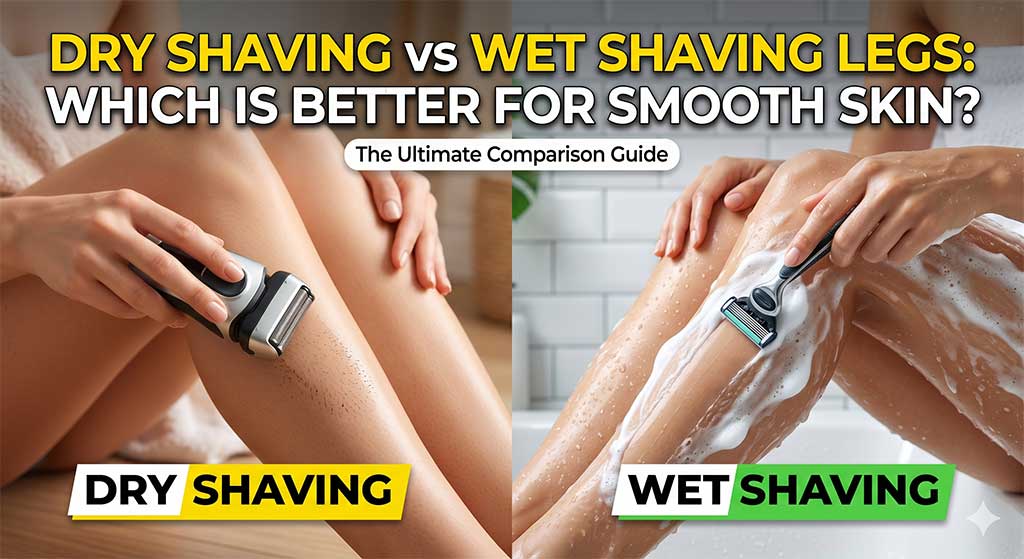
If you are shaving, never dry shave. Always use a hydrating shaving cream or gel to create a protective barrier between the blade and your skin. For epilating, ensure your skin is completely dry and free of lotions, or use a waterproof device in a warm shower to open the pores.
After hair removal, moisture is vital. Apply a soothing, alcohol-free lotion immediately after you dry off. Ingredients like aloe vera, shea butter, and ceramides will calm inflammation, repair the compromised skin barrier, and keep your legs looking incredibly healthy and hydrated.

FAQs
No, using an epilator does not ruin your skin or cause sagging over time. The tweezers only grasp the hair follicle, not the skin itself. Pulling the skin taut with your free hand while epilating ensures a clean extraction and prevents any minor pinching of the surface layer.
Yes, pinpoint bleeding is completely normal, especially during your first few sessions. Because the thick hair is being forcefully ripped from a deeply rooted follicle, minor trauma to the pore can cause a tiny drop of blood. It resolves very quickly and diminishes as hair grows back finer.
This is a very common grooming myth. Shaving does not alter the actual thickness, color, or growth rate of your hair. It only feels thicker because the razor cuts the hair at its widest point, leaving a blunt, sharp edge that feels noticeably coarse when it breaches the skin.
Dermatologists highly recommend changing your razor blade every five to seven uses. Dull blades force you to apply more pressure to the skin, which inevitably leads to severe razor burn, cuts, and an increased risk of trapping bacteria on your freshly shaved legs.
Conclusion
Deciding on the perfect grooming routine doesn’t have to be an overwhelming task. Ultimately, determining is it better to epilate or shave legs comes down to balancing your desire for long-lasting results with your tolerance for initial discomfort and upfront costs.
If you value incredible efficiency and want smooth skin that lasts for weeks without daily maintenance, an epilator is an exceptional investment. Conversely, if you have highly sensitive skin, zero pain tolerance, and prefer a fast, painless shower routine, a high-quality razor remains your best option.
Evaluate your personal preferences, consider your long-term budget, and don’t be afraid to test both methods to see exactly how your skin reacts. The right choice is the one that makes you feel confident, comfortable, and completely in control of your grooming habits.
Over to you! Have you finally made the switch from shaving to epilating, or are you a dedicated razor user for life? Let us know your experiences and favorite smooth-skin tips in the comments below. If you found this ShavyClean guide helpful, be sure to share it with friends who are debating their next hair removal routine!