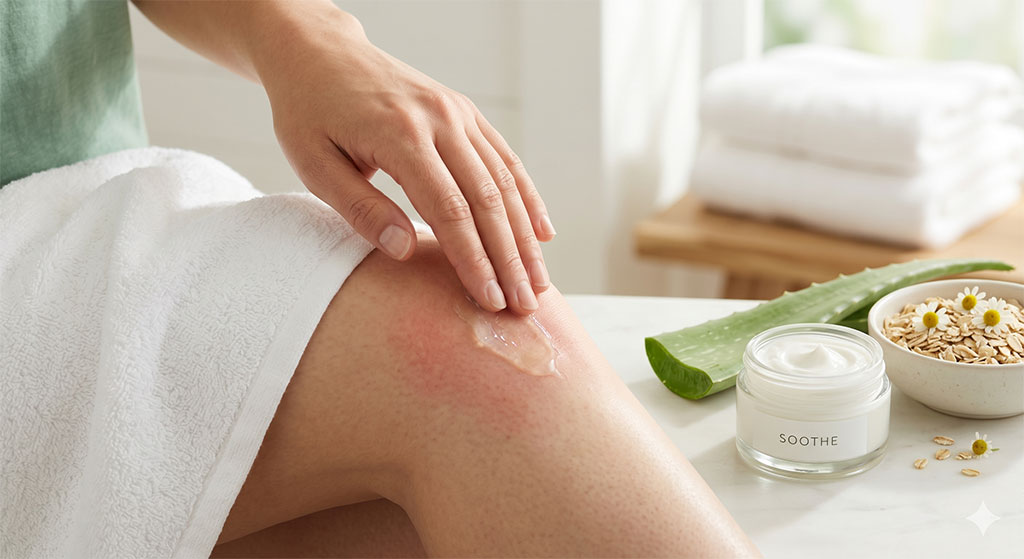
Do you dread the red, itchy aftermath of shaving? Learning how to prevent razor burn on legs is the ultimate secret to achieving flawlessly smooth skin without the painful irritation. Whether you have sensitive skin or you are simply rushing through your morning routine, those fiery red bumps can ruin your day.
If you are tired of hiding your legs under long pants, you are in the right place. Razor burn is not a permanent curse. It is simply a sign that your shaving routine needs an immediate, tactical upgrade.
In this comprehensive guide, we will break down exactly what causes this frustrating condition. You will discover actionable, dermatologist-backed steps to stop irritation before it starts. Say goodbye to the itch and hello to glowing, touchable legs.
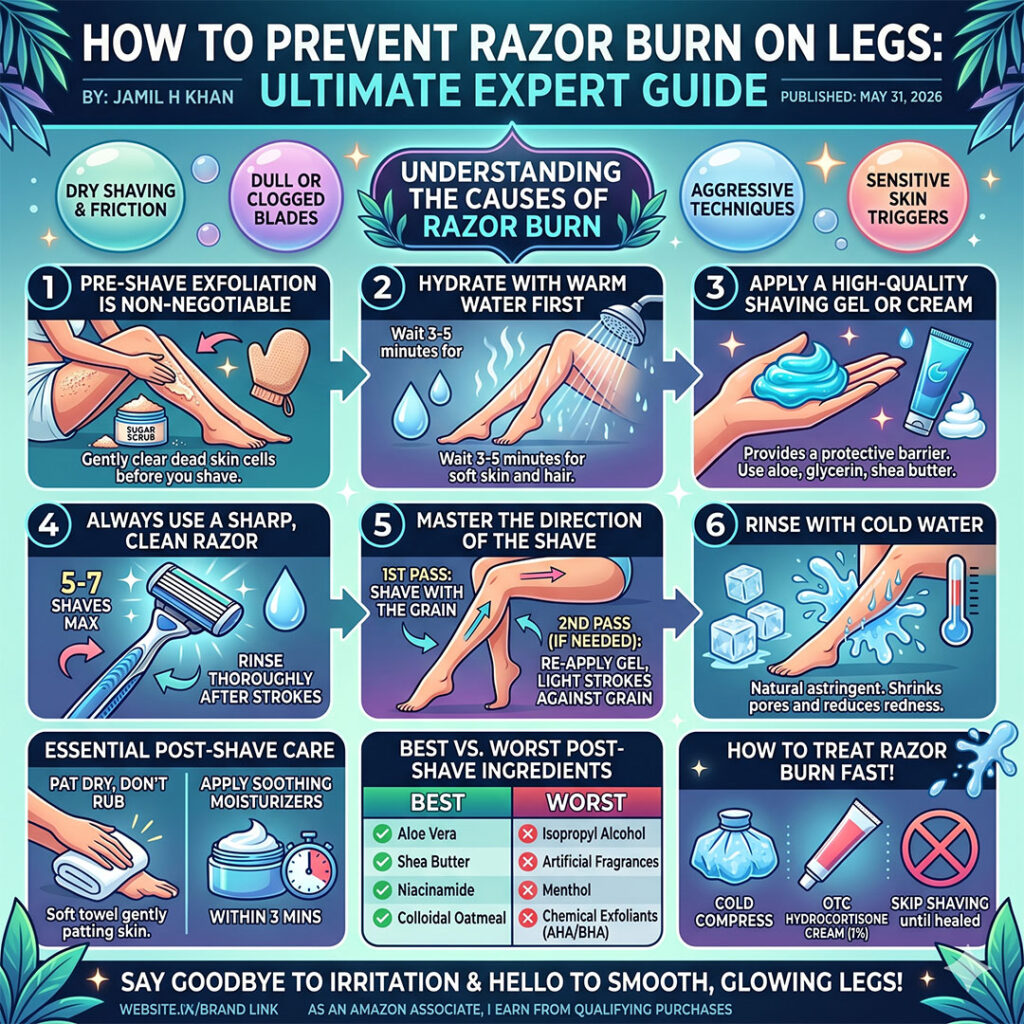
What Causes Razor Burn on Your Legs?
Before we can solve the problem, we must understand the enemy. Razor burn is essentially a form of contact dermatitis. It occurs when the blade removes the top layer of your skin along with the hair.
Several everyday habits trigger this painful reaction. Let’s explore the most common culprits that sabotage your shaving routine and damage your skin barrier.
Dry Shaving and Friction
Dry shaving is the absolute worst offense against your skin. Without a protective barrier, the razor blade drags harshly across your epidermis. This intense friction creates microscopic tears in your skin.
These micro-tears immediately become inflamed, leading to that burning sensation. Shaving legs without water or lubrication is a guaranteed way to trigger severe irritation and lasting redness.
Dull or Clogged Blades
Using an old, dull blade forces you to press harder to cut the hair. A dull blade tugs and pulls at the hair follicle instead of slicing cleanly through it.
Furthermore, old blades harbor bacteria and rust. When you drag a dirty, dull razor across your skin, you invite infection, leading to massive inflammation and discomfort.
Aggressive Shaving Techniques
Many people mistakenly believe that pressing the razor hard into the skin yields a closer shave. In reality, aggressive pressure simply scrapes away healthy skin cells.
Additionally, rushing the process and shaving against the grain before the hair is properly softened causes immense trauma to the delicate hair follicles.
Sensitive Skin Triggers
If you have naturally sensitive skin, the chemicals in your shaving products might be the actual problem. Many commercial shaving foams contain harsh alcohols, artificial fragrances, and heavy preservatives.
These chemical irritants strip your skin of its natural moisture barrier. This leaves your legs highly vulnerable to severe razor burn and prolonged allergic reactions.
Step-by-Step: How to Prevent Razor Burn on Legs
Now that we know the root causes, it is time to build a bulletproof shaving routine. Follow these exact steps to achieve a perfectly smooth, irritation-free shave every single time.
Step 1: Pre-Shave Exfoliation is Non-Negotiable
Exfoliation is the foundation of a flawless shave. Dead skin cells constantly build up around the base of the hair follicle. When you shave over dead skin, the blade snags and skips.
Use a gentle body scrub or a loofah before you pick up the razor. This clears the path for the blade, allowing it to glide effortlessly across the skin’s surface.
- Best Exfoliants for Shaving:
- Sugar scrubs infused with natural carrier oils.
- Salicylic acid body washes for chemical exfoliation.
- Gentle exfoliating bath mitts or gloves.
Step 2: Hydrate with Warm Water First
Never start shaving the moment you step into the shower. Your skin and hair need ample time to soften. Exposing your legs to warm water for at least three to five minutes makes a massive difference.
The heat opens your pores and softens the keratin inside the hair shafts. Softer hair requires much less force to cut, significantly reducing the risk of razor drag.
Step 3: Apply a High-Quality Shaving Gel or Cream
Throw away the cheap, heavily scented foams. You need a thick, highly moisturizing barrier between your skin and the blade. A premium shaving gel provides the necessary slip to prevent friction.
Look for formulas containing soothing ingredients like aloe vera, glycerin, and shea butter. If you are out of shaving gel, a rich hair conditioner is an excellent emergency substitute.
Step 4: Always Use a Sharp, Clean Razor
Your razor is a precision tool, and tools require strict maintenance. You should never use a disposable razor for more than five to seven shaves. The moment you feel the blade tugging, throw it away.
Rinse your blade thoroughly after every single stroke to remove hair, dead skin, and shaving cream build-up. Store your razor in a dry place outside the shower to prevent rust.
Step 5: Master the Direction of the Shave
Direction matters immensely for skin health. Always begin by shaving with the grain (in the exact direction the hair grows). This safely reduces hair length without irritating the root.
If you absolutely need a closer shave, re-apply your shaving gel first. Then, you may carefully shave against the grain using incredibly light, short strokes. Do not apply downward pressure.
Step 6: Rinse with Cold Water
Once you have finished shaving, turn the shower temperature down. Rinsing your freshly shaved legs with cold water acts as a quick, natural astringent.
The cold temperature instantly shrinks the pores and constricts superficial blood vessels. This simple step rapidly reduces post-shave inflammation and seals the skin against invading bacteria.
Essential Post-Shave Care to Stop Irritation
Your routine does not end when you put the razor down. Proper aftercare is crucial for locking in moisture and preventing the delayed onset of stinging red bumps.
Pat Dry, Don’t Rub
When you step out of the shower, do not aggressively rub your legs with a towel. The harsh friction from a terrycloth towel will instantly irritate the freshly shaved, vulnerable skin.
Instead, use a soft, clean towel to gently pat your legs dry. Leave a tiny amount of moisture on the skin to help your post-shave lotion absorb much better.
Apply Soothing Moisturizers
Within three minutes of drying off, apply a heavy, nourishing moisturizer. This repairs the vital lipid barrier that the razor blade just scraped away.
Avoid any lotions containing alcohol, synthetic fragrances, or alpha-hydroxy acids immediately after shaving. Opt for deeply hydrating, fragrance-free barrier creams instead.
Comparision: Best vs. Worst Post-Shave Ingredients
Best Ingredients for Post-Shave | Worst Ingredients for Post-Shave |
Aloe Vera (Calms redness and heat) | Isopropyl Alcohol (Burns and severely dries) |
Shea Butter (Provides deep hydration) | Artificial Fragrances (Triggers allergic reactions) |
Niacinamide (Actively reduces inflammation) | Menthol (Can intensely sting open pores) |
Colloidal Oatmeal (Soothes severe itchiness) | Chemical Exfoliants (AHA/BHA burns raw skin) |
Razor Burn vs. Razor Bumps: What is the Difference?
To treat your skin correctly, you must know what exact condition you are dealing with. People often confuse razor burn with razor bumps, but they are two completely distinct issues.
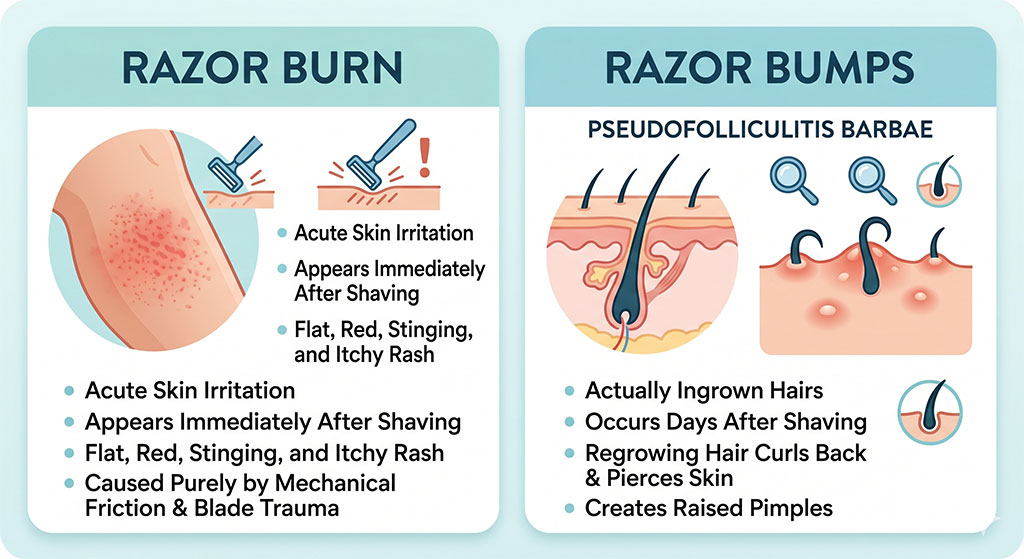
Razor burn is an acute skin irritation. It appears immediately after shaving as a flat, red, stinging, and itchy rash. It is caused purely by mechanical friction and blade trauma.
Razor bumps (scientifically known as pseudofolliculitis barbae) are actually ingrown hairs. They occur days after shaving when the regrowing hair curls back and pierces the skin, creating raised pimples.
How to Get Rid of Razor Burn on Legs Fast
Mistakes happen. If you rushed your morning shave and are now dealing with painful irritation, you need fast relief. Here is how to calm the fire quickly.
First, apply a cold compress directly to the affected area. Wrapping ice cubes in a soft cloth and holding it against the skin for ten minutes will instantly reduce swelling.
Next, apply an over-the-counter hydrocortisone cream (1%). This medical-grade topical cream actively suppresses the body’s inflammatory response. Use it sparingly for no more than three days.
Finally, give your skin a strict break. Do not shave the irritated area again until it is completely healed. Shaving over existing razor burn will multiply the microscopic damage.
FAQ
Typically, minor razor burn clears up within two to three days if left alone and kept moisturized. However, if you continue to wear tight, restrictive clothing or scratch the area, it can last over a week.
Absolutely not. Shaving over irritated, inflamed skin will scrape off healing scabs, introduce new bacteria, and dramatically worsen the inflammation. Always wait until the skin is fully healed.
Using baby oil after shaving can help lock in moisture effectively. However, it should never replace a proper, thick shaving cream during the shave, as oil can clog multi-blade razors very quickly.
Conclusion
Mastering how to prevent razor burn on legs comes down to thorough preparation, high-quality tools, and dedicated, soothing aftercare. By treating your shaving routine like a proper skincare ritual, you can eliminate the harsh friction that causes all the damage.
Remember to exfoliate regularly, never shave dry, and always toss your dull blades in the trash. Deep hydration is your absolute best friend, both before the blade touches your skin and immediately after you step out of the shower.
Stop settling for painful, irritated skin. Implement these highly effective, expert strategies today, upgrade your grooming toolkit, and enjoy the flawless, smooth legs you deserve all year round!